
The Silent Signup Problem: Why Your PLG Strategy Needs an AI Wingman
It's actually insane how many SaaS founders think they're winning just because their signup graph is moving up and to the right. You launch your product, you go Product-Led, and suddenly you have 1,000 new users this month. Marketing is doing a victory lap. But then you look closer at the data.
Most of those signups are from Gmail addresses. They haven't booked a demo. They haven't talked to a single person on your team. You have zero idea what they are actually trying to accomplish on your platform.
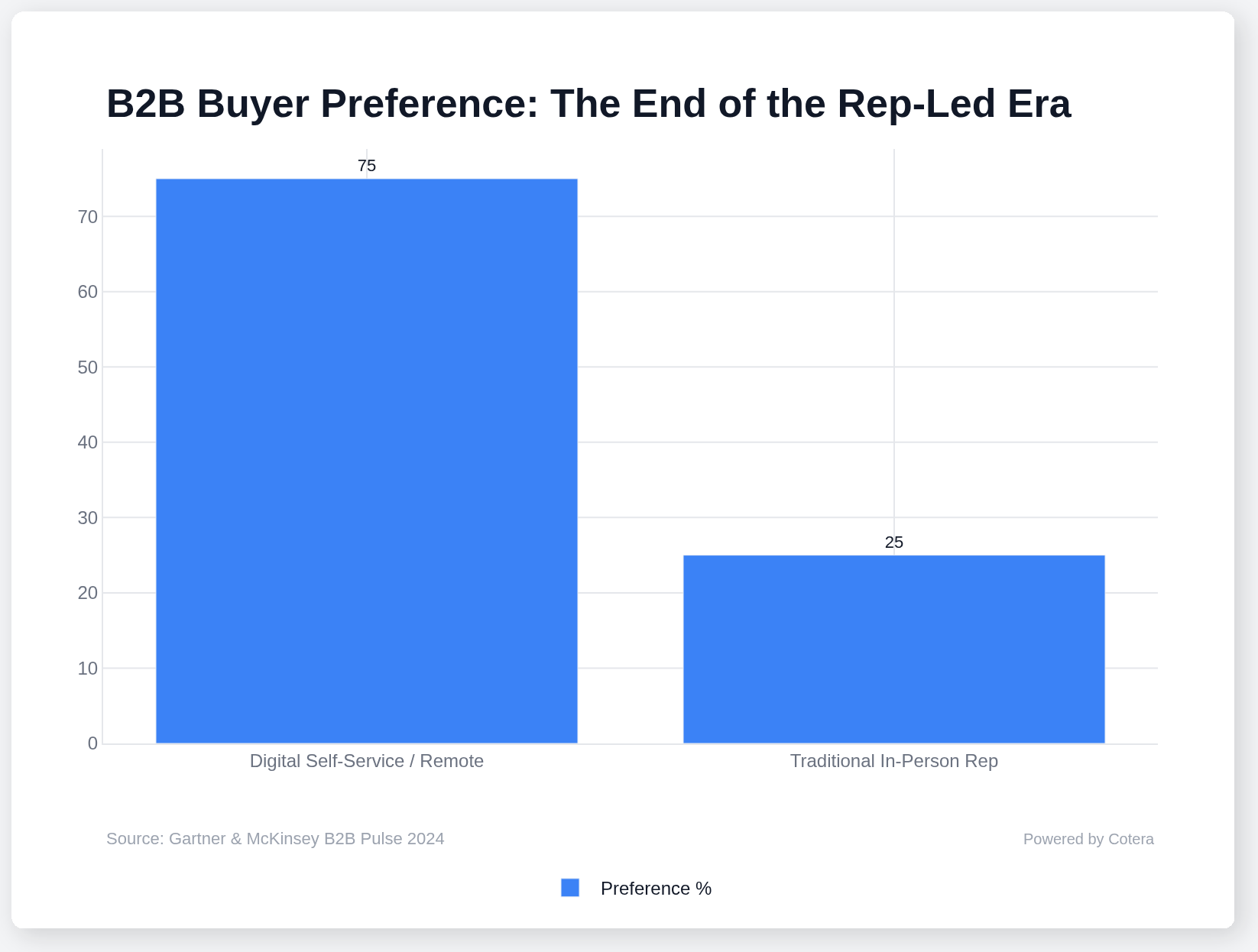
This is what I call the Silent Signup problem. In a world where 75% of B2B buyers now prefer a rep-free experience, you are effectively flying blind. You've traded understanding for volume. And if you don't fix that visibility gap, those 1,000 signups are just vanity metrics. You need the right Product-Led Growth tools to turn those ghosts into actual revenue.
The Visibility Tax of Product-Led Growth
The old way of selling software was simple: If someone wanted to see your product, they had to talk to you. You had a discovery call. You learned their title, their company size, and exactly what pain they were trying to solve.
But the market has shifted. Today, over 58% of SaaS companies have adopted a PLG strategy to some degree. We give the product away for free because that's what the buyer wants. They want to "try before they buy."
Here's where it gets interesting. While PLG is great for acquisition, it imposes a massive "visibility tax." When users bypass your sales team, you lose the traditional discovery process. You're left staring at a list of emails with no context.
Is sarah.smith@gmail.com a college student doing a project? Or is she a VP of Product at a unicorn fintech firm testing your tool for a 500-seat rollout?
If you're still waiting for a human SDR to manually research every single one of these signups, you've already lost the game. By the time your rep finds Sarah on LinkedIn, she's already moved on to a competitor who had an automated response waiting for her. Manual research simply doesn't scale when you're killing it with inbound volume.
Solving the Gmail Trap with AI Agents
This is where you need to start thinking about Inbound Lead Enrichment differently. It's not just about the onboarding flow or the "Add to Cart" button. It's about Intent Engineering.
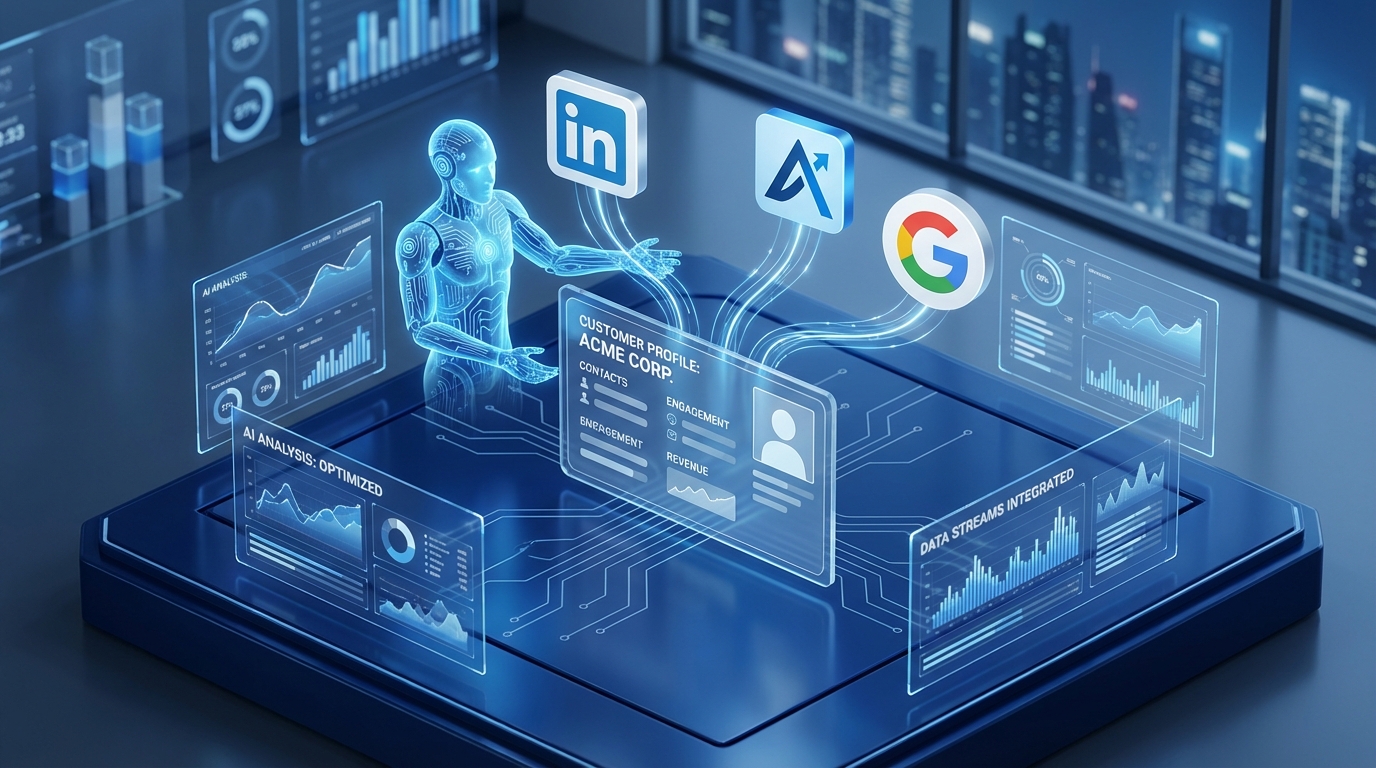
An AI agent can act as your 24/7 wingman to monitor every single inbound signup. The workflow is actually pretty simple if you set it up right.
First, the trigger. Someone signs up. Instead of just dumping that user into a generic "Welcome" sequence, your AI agent immediately grabs the email. If they use a company email address, you're in a great spot. If they use a personal one, the agent can use tools like Apollo, LinkedIn, and Google to find the person behind the screen.
Once the data is enriched, the agent doesn't just hand you a spreadsheet. It compares that user against your Ideal Customer Profile (ICP).
Was this truly a smart investment of the user's time? The AI agent decides. It looks at their title, their company's tech stack, and their recent funding rounds. Then, it creates a high-intent signal.
Instead of a generic notification that your team ignores, your territory rep gets a punchy Slack message: "A Director of Growth from a Series C fintech just performed Action X on the site. Their company uses Competitor Y and just hired 20 new engineers. Go get them." This isn't just lead gen: it's a sniper approach to sales.
Automated Engagement: The Marketing Flow Integration
Once the AI agent understands who the user is, you can stop sending standard lifecycle emails. We've all seen the "Hey there, welcome to the platform" emails that everyone deletes immediately.
With an AI wingman, you can integrate these enriched insights directly into platforms like Braze, Klaviyo, or Customer.io.
Imagine a marketing flow that looks like this:
- User signs up.
- AI identifies them as an Engineering Manager.
- The next email isn't a "Welcome." It's a custom-drafted response: "I saw you were looking at our API documentation. Since you're managing an engineering team, here are 3 tips for setting up our webhooks in a distributed environment."
You are showing, not telling. You are providing value based on their actual identity and their actual actions.
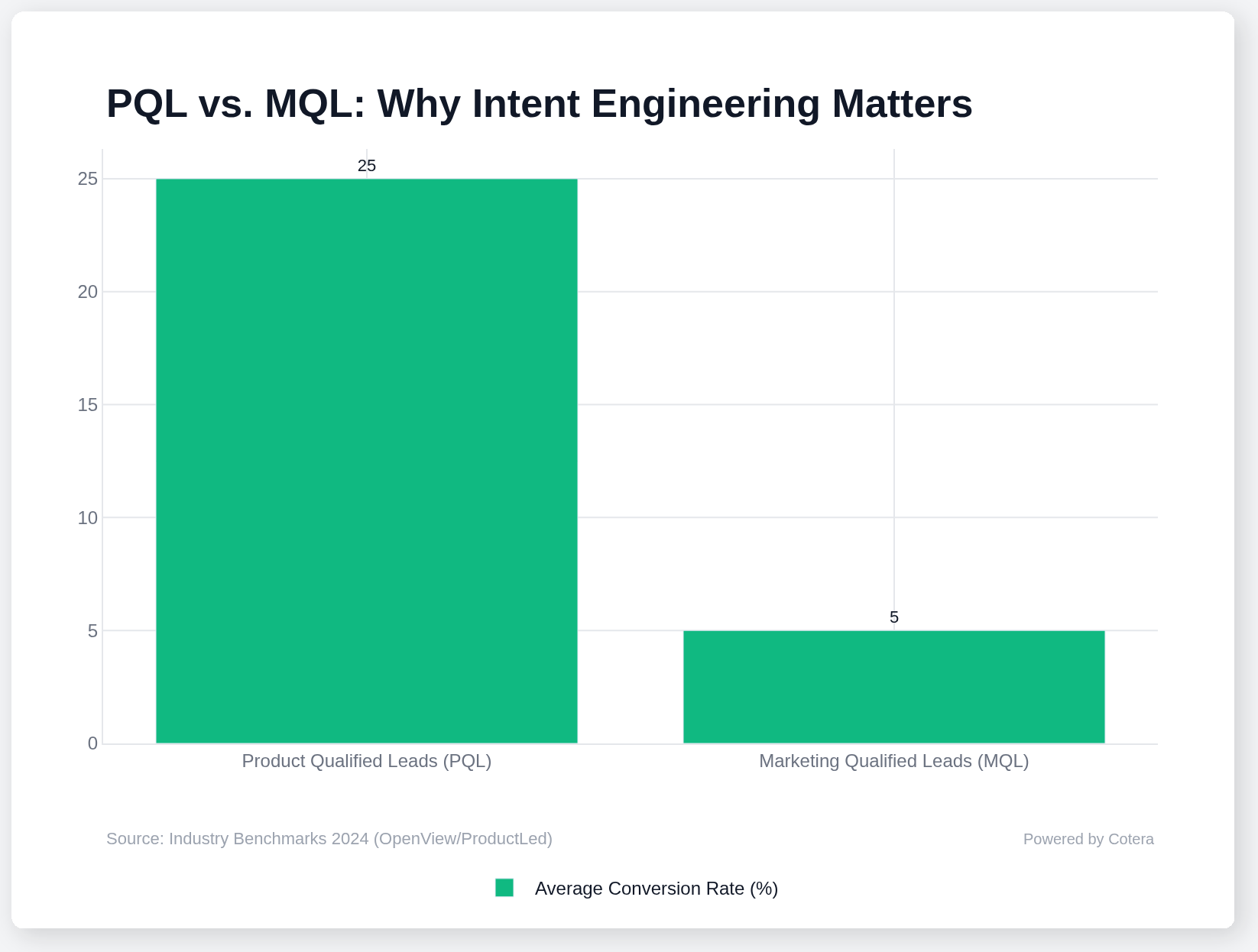
This level of automation doesn't just save time: it changes the conversion math. As you can see in the chart below, Product Qualified Leads (PQLs) convert at nearly 5x the rate of traditional Marketing Qualified Leads (MQLs).
When you treat your inbound signups like a live stream of data rather than a static list, you stop guessing and start closing. This is how you win in a PLG-first world.
The End of the Rep-Led Era
Take another look at the shift in buyer behavior. The traditional sales-led era is dying. 75% of your potential customers want to do the work themselves. They want to self-serve. They want to be in control.
But as a founder or a growth leader, you still need to hit your numbers. You can't just cross your fingers and hope they click "Upgrade" by accident.
The "So What?" is simple: If you are adopting a PLG model, you must adopt an AI-driven inbound monitoring model. You need to create a customer record the second they touch your site, understand exactly who they are, and notify your team to pursue them effectively.
Don't let your high-value leads hide behind Gmail addresses. Use an AI agent to unmask them, score them, and put them in a flow that actually converts.
Cotera helps companies visualize exactly this kind of retention and intent data. We help you find the "hidden gems" in your self-serve funnel so you can stop wasting time on the noise and start focusing on the users who are actually ready to buy.
The results might just surprise you.
Try These Agents
- Lead Enricher & Qualifier — Qualify and enrich leads with buying signals
- Lead Account Enrichment — Enrich inbound signups with company and contact data
- Lead Scoring Agent — Score leads against your ICP automatically
- Customer Journey Tracking — Track user behavior and engagement patterns