
Crayon Alternative: Do You Actually Need a CI Platform?
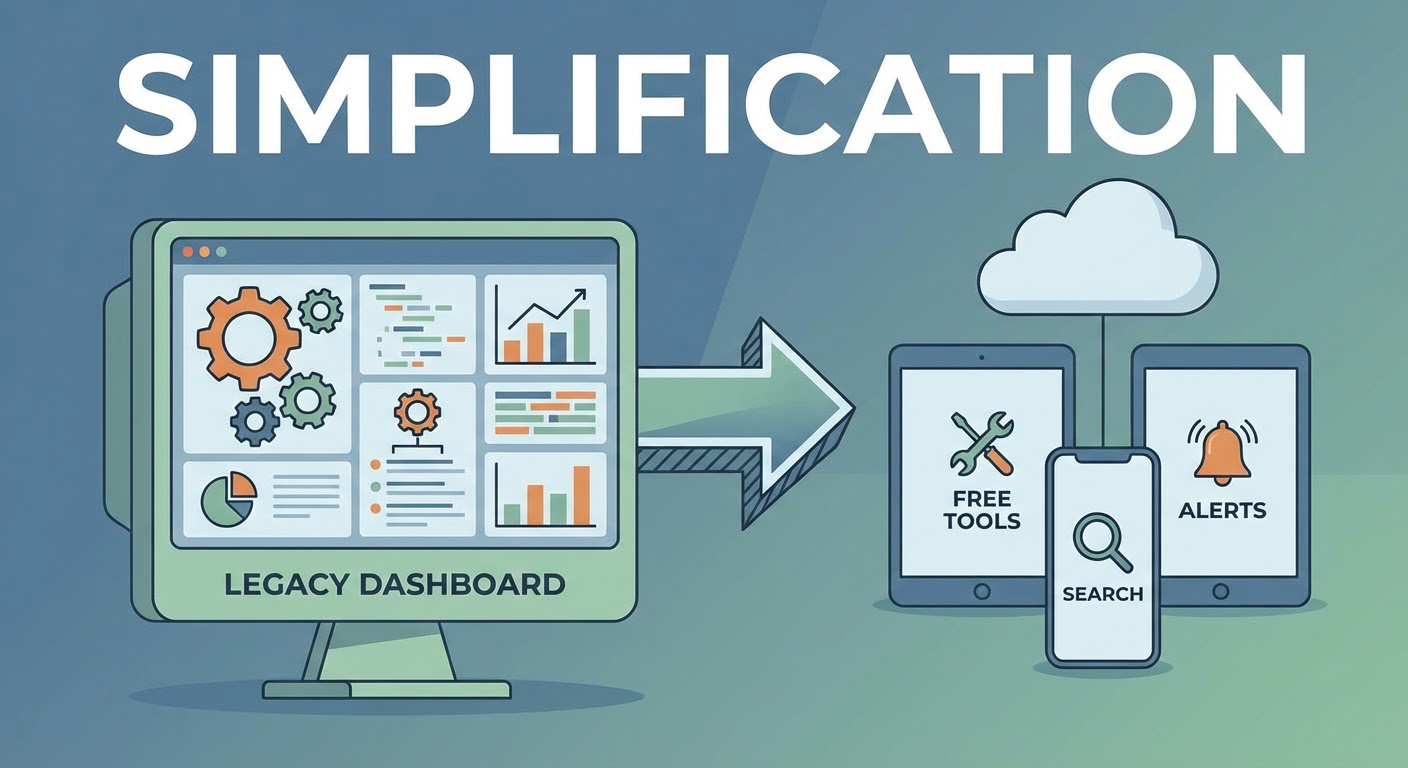
Crayon is one of those tools that demos beautifully. The product marketing team watches a 30-minute demo, sees automated competitor monitoring, AI-generated insights, and battlecard management all in one platform, and immediately wants it. Then someone asks about pricing. $25,000/year on the low end. Enterprise deals can run $50,000-$100,000.
For a company with a dedicated competitive intelligence team — like, actual full-time CI analysts — Crayon can justify that price. The automation saves analyst hours, the battlecard system keeps sales enablement current, and the centralized platform prevents the "competitive data is scattered across 12 different tools" problem.
For everyone else? That's a lot of money for something you can approximate with cheaper tools and a bit of process discipline.
What Crayon Actually Does
I want to be fair about what you get at that price point. Crayon monitors competitor websites for changes (pricing, messaging, product pages). It aggregates news, social mentions, and review data into a single feed. It provides AI analysis that summarizes what competitors are doing and why it matters. And it includes a battlecard system for distributing competitive intelligence to sales teams.
The monitoring piece is where Crayon shines. It catches changes that manual monitoring misses — a small pricing page tweak, a new feature added to a comparison page, a job posting description that reveals a strategic pivot. The AI summaries turn raw monitoring data into something a human can actually process.
The battlecard system is nice but honestly replaceable. Google Docs, Notion, or your wiki can hold battlecards. Keeping them updated is a process problem, not a technology problem.
The $0-$100/Month Alternative Stack
Here's how to cover Crayon's functionality without Crayon's price tag.
For monitoring, Google Alerts handles news mentions (free). Visualping or ChangeTower monitors competitor website changes ($10-30/month for basic plans, free tier available). G2 and Capterra send review alerts for free. LinkedIn tracks hiring signals for free.
A market intelligence agent does the synthesis work that makes Crayon's AI summaries useful. Instead of reading 50 alerts and figuring out what matters, the agent processes the data and tells you "Competitor B changed their pricing page, moved a feature to a higher tier, and published three blog posts about enterprise security this week. They appear to be moving upmarket." That synthesis is the $25K feature. Now it's available on demand.
For social and brand monitoring, a brand monitoring agent catches competitor mentions across platforms that Google Alerts misses — industry forums, niche publications, Reddit threads. Combined with social listening alerts, you get coverage comparable to Crayon's social monitoring.
For news specifically, the Newscatcher competitive news tracker provides deeper coverage than Google Alerts. It scans thousands of news sources and returns competitor mentions with context, sentiment, and relevance scoring.
For battlecards, use whatever your team already opens daily. If they live in Slack, put competitive snippets in a Slack channel. If they live in Notion, create a competitive database in Notion. If they live in Google Docs, make a shared drive. The tool matters less than the habit of keeping them updated.
When Crayon-Class Platforms Earn Their Price
If your sales team has 50+ reps and competitive intelligence influences deal outcomes weekly, a platform that automates distribution matters. Sending a Slack message about a competitor change is fine for a 10-person team. It doesn't scale to 200 reps across three time zones. Crayon's push notifications and in-workflow integrations solve the distribution problem that smaller teams don't have.
If you're in a market with 10+ active competitors that all move fast (think martech, cybersecurity, HR tech), the monitoring volume overwhelms manual approaches. Google Alerts for 15 competitors generates a lot of noise. Crayon's filtering and prioritization make that volume manageable.
If competitive intelligence reporting goes to the board or investors, the polished dashboards and trend visualizations Crayon provides make a better impression than screenshots of a Google Sheet. This is a presentation problem, not an intelligence problem, but presentation matters when budget depends on it.
The Middle Ground
Klue ($10K-$25K/year) offers similar functionality to Crayon at a lower price point, with strong battlecard management. Kompyte is another competitor in this space with slightly different strengths.
But the real middle ground is the agent-based approach. Pay nothing for standing subscriptions. Run monitoring agents weekly or monthly. Run synthesis agents before strategy reviews. Run battlecard-update agents after competitor moves. You get the intelligence without the platform cost, and you can scale up or down as needed.
The question isn't "Crayon or nothing." It's "how much competitive intelligence do I actually need, and what's the cheapest way to get it reliably?" For most B2B companies under 200 employees, the answer involves free tools, an agent for synthesis, and a Google Doc for battlecards. Not glamorous. Effective.
Try These Agents
- Market Intelligence Agent — AI-powered competitive synthesis and monitoring
- Brand Monitoring — Competitor mention tracking across platforms
- Newscatcher Competitive News Tracker — Deep news monitoring beyond Google Alerts
- Social Listening Alerts — Social conversation monitoring for competitive signals