
How to Track Competitor Hiring (and Decode Their Strategy)
Last year a competitor of ours went quiet. No blog posts for months, no product updates, nothing on social. Our team got comfortable. Maybe a little smug, if I'm honest.
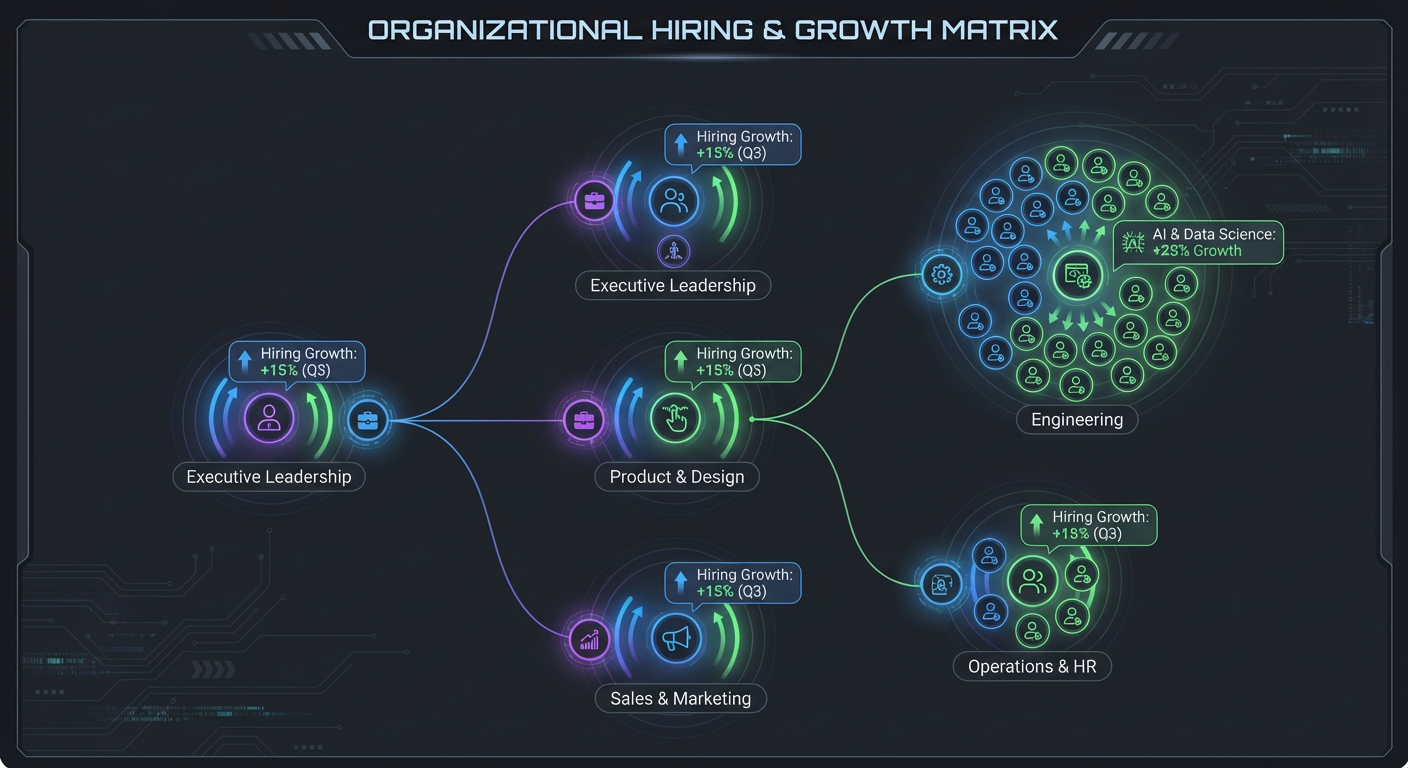
Then someone flagged five data engineering roles they'd posted in a single week. Not backfills. Net-new positions: "Senior Data Pipeline Engineer," "ML Infrastructure Lead," that kind of thing. Four months later they launched a data product that carved into a market we hadn't even started building for. The signals were sitting on LinkedIn the entire time. We just didn't look.
That was the last time I ignored competitor job postings.
Why Job Descriptions Are Accidentally Transparent
A company can put whatever spin it wants on a press release. Marketing sites are aspirational by design. But a job description has to be accurate enough to attract the right candidates. If they oversell the role, the wrong people apply. If they hide the technical requirements, they get resumes from underqualified candidates and waste their own recruiter's time.
So job postings end up being surprisingly honest about what's going on inside a company. They reveal unsolved problems, internal tech stacks, the seniority level management thinks a problem deserves, and — if the salary band is listed — what they're willing to pay to fix it.
Where to actually find them:
- LinkedIn Jobs is the richest source. Company pages also show headcount over time by department, which I find more useful than individual postings.
- Company career pages often list roles before they hit aggregators. I bookmark these for my top five competitors.
- Indeed and Glassdoor catch non-tech roles and regional hiring that LinkedIn misses. Glassdoor salary data is a nice bonus.
- Wellfound (used to be AngelList Talent) is where startup early hires show up first.
- ATS boards like
jobs.lever.co/companynameorboards.greenhouse.io/companyname— lots of companies have public-facing boards through their applicant tracking system.
Don't just scan titles. Read the "About the Role" and "What You'll Do" sections. That's where strategy leaks out.
Reading the Signals
A single hire means almost nothing. Patterns of hiring tell a story that's hard to fake.
Engineering clusters point to product bets. Three iOS engineers in a month means a mobile push. Two security engineers means they're going upmarket into enterprise. A "Founding Engineer" listing means an entirely new product line is getting built. The specializations in the titles are the tell — ignore the generic "Software Engineer" postings and pay attention to the specific ones.
Sales bursts reveal GTM strategy. SDR and AE hiring in clusters means they're pouring fuel on distribution. Geography matters here. Sales hires in London signal an EMEA expansion. Enterprise AEs in New York means they're moving upmarket. A "Head of Partnerships" posting means they're building channel. I've predicted competitor market entries months early just from watching where they place sales roles.
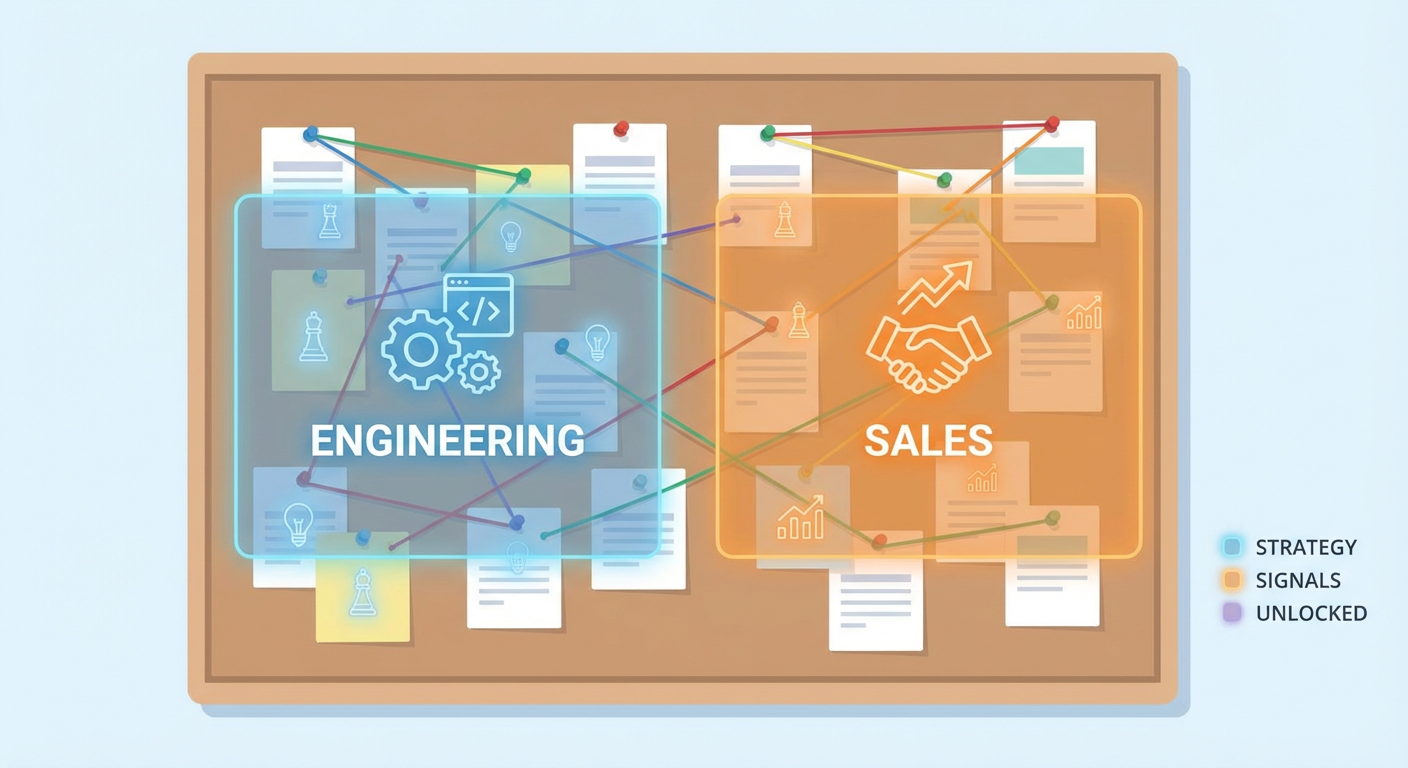
Senior hires are the loudest signals. A new VP of Data at a company that never had one means data just became a priority. Director of Product for a specific vertical means they're going deep there. You don't hire a VP for a six-month experiment. These hires represent real commitments.
Count the recruiters. This one's underrated. A 200-person company with 15 recruiters on LinkedIn is in aggressive growth mode. A 500-person company with 3 recruiters has pulled back. The recruiter-to-headcount ratio is a surprisingly clean proxy for how fast a company plans to grow over the next two quarters.
Layoffs then targeted hiring means a pivot. When a company cuts 20% of staff and immediately starts posting in a completely different function, they're not shrinking. They're redirecting. I find these the most interesting signals because they reveal bets that haven't been announced publicly yet.
Making It Stick Month Over Month
Knowing where to look is the easy part. Actually doing it consistently is where most people drop off. Here's a low-effort setup that works:
Set up LinkedIn Job Alerts for each competitor. Takes thirty seconds per company and they'll email you when new roles go up. I have these running for about eight companies right now.
Do a monthly headcount check using LinkedIn company pages. Screenshot or log employee count by department. What you're really watching is the delta — which departments are growing, which are flat, which shrank. A 20% jump in engineering over three months is a bigger deal than any single job posting.
Keep a simple tracker (spreadsheet, Notion, whatever). Columns: competitor, date, headcount, department breakdown, notable roles, your interpretation. The interpretation column is where value lives. "Acme hired 3 ML engineers and a Head of AI — probably building AI features into their core product" is the kind of note that looks brilliant six months later when they ship exactly that.
Total time: maybe an hour a month once it's set up. Absurdly cheap for the quality of the intel.
Why an Agent Beats the Spreadsheet
My manual tracking system lasted about four months before it started getting skipped. Not because it was bad — because it was boring, and I got busy. That's the failure mode for most competitor hiring tracking: death by neglect.
A competitor hiring tracker agent monitors job postings across companies, buckets them by department and seniority, flags patterns that look unusual, and hands you a summary of what changed. You feed it your competitor list, it gives back the analysis. Five-minute read instead of an hour of tab-switching.
The consistency is the real win. An agent checks the same sources the same way every time. No coverage gaps when Q4 gets hectic or when the person doing the tracking goes on vacation.
Companies broadcast their strategy through their hiring whether they mean to or not. Every job posting is a confession about what they haven't built yet and where they're placing bets. Most competitive intelligence programs ignore this or check it once a year. By then the competitor has already shipped the thing those engineers were building.
Try These Agents
- Competitor Hiring Tracker — Monitor competitor job postings and decode hiring patterns into strategic signals
- Market Intelligence Agent — Full-spectrum competitor research covering hiring, reviews, keywords, and news
- Sentiment Analysis — Track what customers are saying about competitors across review sites and social platforms