
How to Find Competitor Case Studies
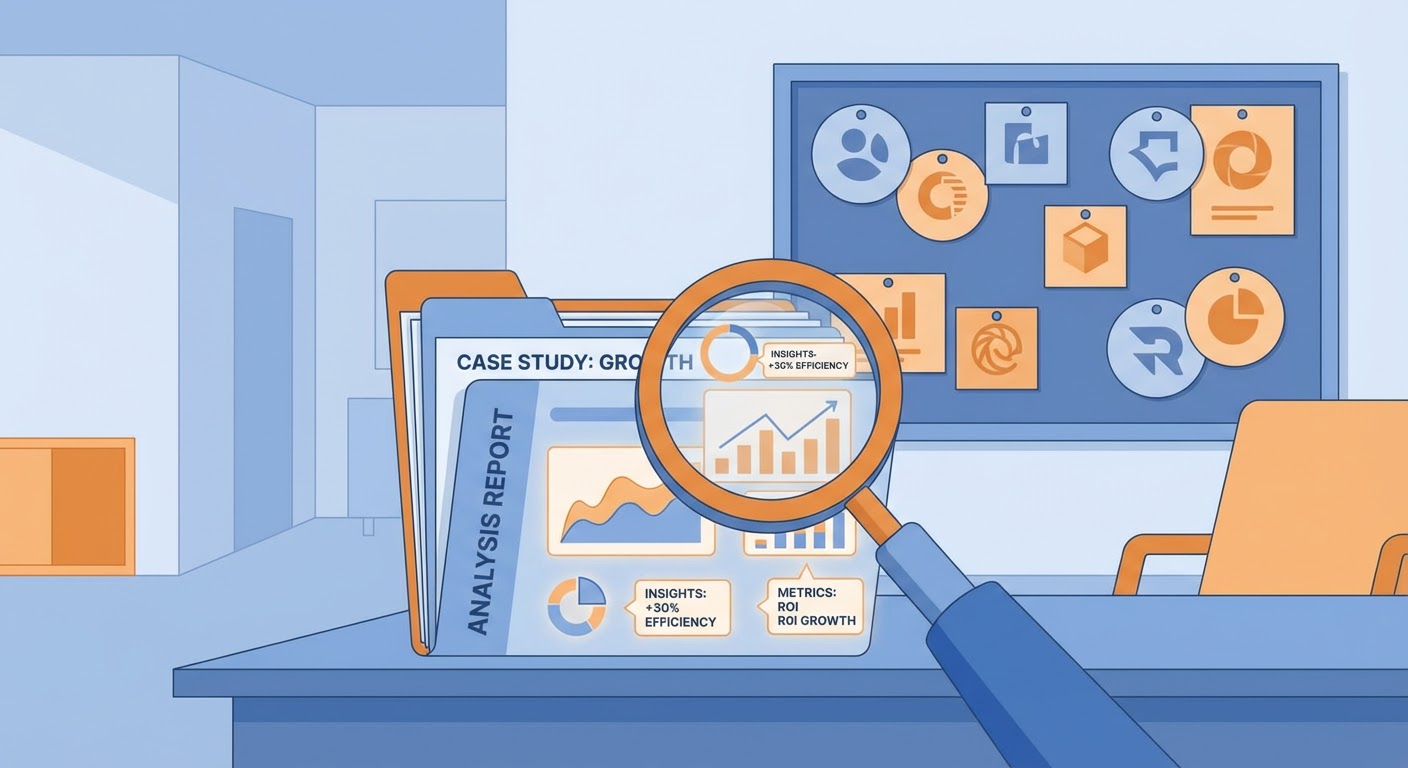
A competitor published a case study with a logo I recognized — it was a company in our pipeline. I read the case study, found the exact metrics they claimed to deliver (37% reduction in support ticket volume, 4x faster response times), and our sales rep used that information to ask the prospect directly: "I see you worked with Competitor B. Did you actually get the 37% reduction they claim in their case study?" Turns out they didn't. The prospect switched to us.
Case studies are the most underused competitive intelligence source. Companies spend thousands producing them, and they pack them with specific details about customer types, use cases, results, and implementation timelines. It's your competitor's greatest hits album, and they published it for free on their website.
Where to Find Them
Start on the competitor's website. Look for "Case Studies," "Customer Stories," "Success Stories," or "Resources." Some companies bury them — check under "Company" or "About" sections too. If you can't find a dedicated page, just Google "site:competitor.com case study" or "site:competitor.com customer story."
LinkedIn is another goldmine. Companies frequently post case studies as LinkedIn articles or PDF attachments. Search LinkedIn for "[competitor name] case study" and filter by posts. Sales reps at competitor companies sometimes share individual case studies on their personal profiles, especially when they helped close that deal.
YouTube often has video case studies or customer testimonial clips. These are sometimes more revealing than written ones because customers say things on camera that they wouldn't approve in a written document. I've caught customer comments in video testimonials that revealed integration challenges, implementation timelines, and buyer motivations that the written case study carefully edited out.
Google "[competitor name] case study filetype:pdf" to find downloadable case studies that might be gated behind a form on their website but indexed by Google anyway. Works more often than you'd think.
Reading Case Studies Like a Competitive Analyst
Don't read case studies for the metrics. Read them for the story underneath. The customer name tells you the competitor's ideal customer profile. The industry tells you which verticals they win in. The company size tells you their market segment. Five case studies with 500-person companies means they're strongest in mid-market. If all their case studies feature enterprises with 5,000+ employees, that's where they're optimized.
The problem statement at the beginning of each case study is actually about your competitor's positioning. "Company X struggled with manual data entry and disconnected systems" tells you the competitor positions around automation and integration. Whatever problem they describe is the pain point their sales team leads with.
The results section reveals what they measure and what they promise. Pay attention to which metrics they highlight. A competitor that always cites "time saved" is selling efficiency. One that cites "revenue generated" is selling growth. The metrics they choose tell you their value proposition in quantitative terms.
What's missing is as interesting as what's included. A case study that mentions a "6-month implementation" but doesn't mention the cost of implementation is probably hiding expensive professional services. One that celebrates user adoption numbers but avoids revenue impact metrics probably can't prove ROI.
Turning Case Studies Into Sales Ammunition
A G2 product positioning research agent can compare competitor case study claims against what their actual customers say on review platforms. The gap between "37% improvement" in the case study and "marginal improvement at best" in G2 reviews is your competitive advantage. When case studies overstate results and reviews tell the real story, you have ammunition.
Build a competitor case study tracker. Simple spreadsheet: competitor, customer name, industry, company size, use case, claimed results, date published. After you've logged 20-30 competitor case studies, patterns pop out. "Competitor B wins in healthcare but has zero financial services case studies" is a real insight that shapes your competitive strategy.
I share relevant competitor case studies with our sales team before big deals. If a prospect is a 200-person SaaS company and Competitor B has three case studies with similar companies, our reps need to know what claims they're up against. Knowing the specific numbers a competitor uses in their pitch makes our reps better prepared.
The Recency Signal
Check the dates on competitor case studies. A company with case studies all from 2023 or earlier hasn't published a new one in years — maybe they've lost their flagship customers, maybe their marketing team is stretched, or maybe they just stopped investing in customer marketing. Whatever the reason, stale case studies weaken their sales pitch.
Fresh case studies signal momentum. A competitor publishing two new ones per quarter has a healthy pipeline of successful customers willing to go public. That's the competitive scenario that requires a proactive response.
Competitor review analysis adds another layer by tracking what customers say about competitors on third-party platforms versus what the curated case studies claim. The difference between the marketing version and the unfiltered version is where your competitive positioning lives.
Try These Agents
- G2 Product Positioning Research — Compare case study claims against review reality
- Competitor Review Analysis — Unfiltered customer feedback across platforms
- Market Intelligence Agent — Broader competitive research and analysis
- Competitor Pain Points — Identify weaknesses case studies don't mention