
How to Find Competitor Pricing (Even When They Hide It)
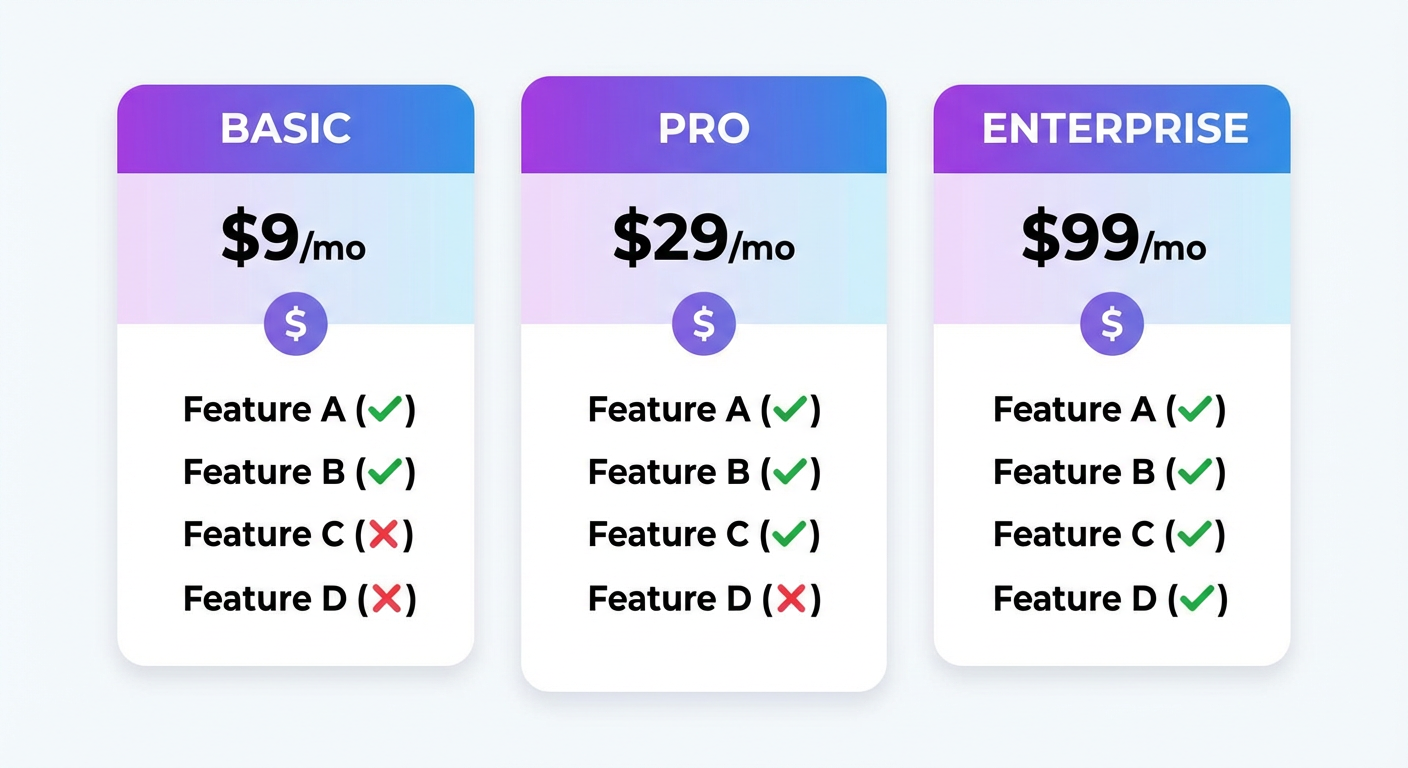
Half the companies in B2B SaaS refuse to put pricing on their website. "Contact Sales" is the most frustrating button on the internet. But just because a competitor hides their pricing doesn't mean you can't find it. It just takes a bit more digging.
Even when pricing IS public, the sticker price is only part of the story. Tier structures, feature gating, usage limits, add-on costs, discount patterns. All of that shapes how customers actually experience the price. I've seen companies with identical headline pricing that feel completely different to buyers because of how they package their tiers.
Start With the Obvious: Public Pricing Pages
Before you get clever, just look. An embarrassing number of competitive pricing analyses skip this step. Go to competitor.com/pricing. Read it carefully.
What to actually note:
- Number of tiers and what they're called (naming tells you positioning. "Starter, Professional, Enterprise" vs "Free, Growth, Scale" sends different signals)
- The feature gates between tiers. Which features do they lock behind the top tier? That's what they think customers will pay the most for
- Any usage limits (seats, contacts, API calls, storage). These are the real pricing mechanism for many SaaS tools, not the headline number
- Whether they show annual vs monthly pricing and how big the discount is. A 40% annual discount means they desperately want annual commits. A 15% discount means they're fine either way
Screenshot everything. Pricing pages change more often than you'd think. Which brings us to the next method.
The Wayback Machine: Pricing History
The Wayback Machine at web.archive.org has been crawling the internet since 1996. There's a good chance it has snapshots of your competitor's pricing page from months or years ago.
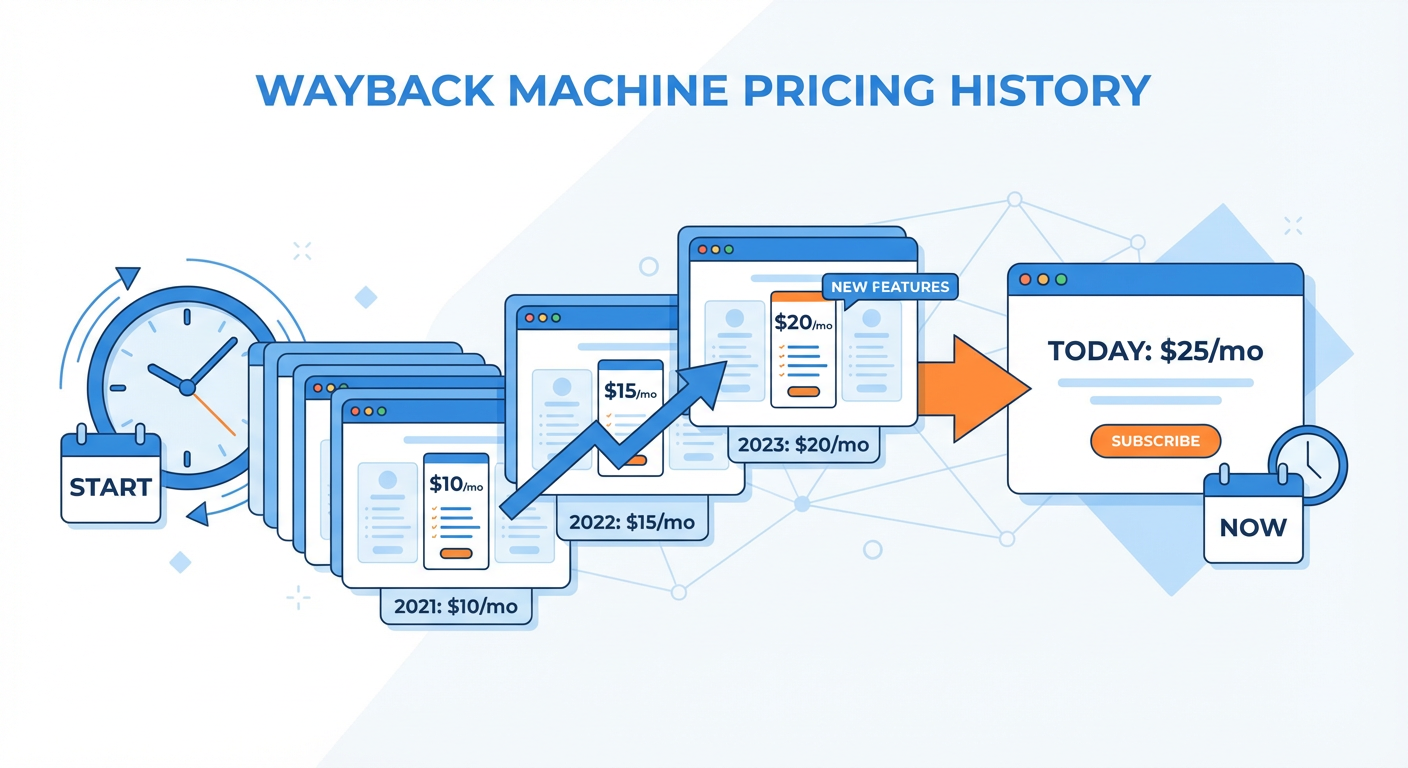
Plug in competitor.com/pricing and look through the timeline. You'll see when they changed pricing, what the old tiers looked like, and how their packaging evolved.
This is incredibly revealing. A competitor that doubled their prices in the last year has either gotten confident or desperate (context matters). A competitor that added a free tier is going PLG. A competitor that removed their pricing page entirely just shifted to sales-led, probably because their deal sizes outgrew self-serve.
Price changes are strategy changes. The Wayback Machine lets you watch them happen in slow motion.
Review Sites and Community Intel
G2, Capterra, and TrustRadius reviews often mention pricing. Reviewers complain about price increases, compare costs to alternatives, and sometimes state their exact monthly bill. Search "[competitor] pricing" on G2 and read the cons sections. People love complaining about what they pay.
Reddit and community forums are another goldmine. Search "[competitor] pricing" on Reddit. You'll find threads where people share what they were quoted, negotiate discounts publicly, and compare what they pay versus what the website says.
Other places pricing leaks:
- Job postings (sometimes mention "manage $X ARR platform" which tells you deal sizes)
- Case studies on the competitor's own site (they sometimes mention customer tier or implementation cost)
- App store listings (if they have a mobile app, pricing is often public there)
- LinkedIn posts from their sales team (reps occasionally share deal details)
The Direct Approach: Just Ask
This sounds obvious but most people don't do it. Book a demo as if you were a prospect. Use a personal email, give a realistic company name, and go through their sales process. You'll learn their actual pricing, their discount willingness, their sales pitch, and their feature emphasis in one 30-minute call.
I'm not saying do this constantly or deceptively. But if you're in a competitive market and you genuinely need to understand how a competitor prices and sells, one discovery call every 6-12 months is reasonable. Sales teams do this all the time. They call it "competitive intelligence." You can do the same thing.
Building a Pricing Comparison Framework
Raw pricing numbers are useless without context. Put competitor pricing into a framework:
- Price per seat/user. Normalize to the same unit so you can compare apples to apples.
- Feature access at each tier. What do you get for the money? Some competitors are cheap on headline price but gate everything useful behind the top tier.
- Total cost of ownership. Add-ons, implementation fees, overage charges. The real price is always higher than the pricing page suggests.
- Positioning map. Plot competitors on price vs feature richness. You'll see clusters and gaps. A gap in "affordable but full-featured" or "premium but specialized" might be your opportunity.
Why Use an Agent for Pricing Research
Gathering competitor pricing is a scavenger hunt. It's spread across pricing pages, archived snapshots, review sites, Reddit threads, and sales calls. Nobody has a clean dashboard for this.
A competitor pricing analyzer agent pulls together pricing data from public sources, structures it into a comparison framework, and flags changes over time. It's particularly good at catching tier restructuring and feature gating changes that are easy to miss manually. Pair it with a market intelligence agent to put pricing changes in context with broader competitor moves like funding rounds, layoffs, or product launches.
Competitor pricing is one of those things everybody wants to know but nobody systematically tracks. Build the habit and you'll always know where you stand.
Try These Agents
- Competitor Pricing Analyzer — Track and compare competitor pricing, tiers, and packaging changes
- Market Intelligence Agent — Full-spectrum competitor research covering hiring, reviews, keywords, and news
- Landing Page Teardown — Rip apart competitor landing pages for conversion and messaging patterns
- SEO Competitor Analyzer — Uncover what keywords competitors rank for and where the content gaps live