
How to Track Competitor Funding Rounds
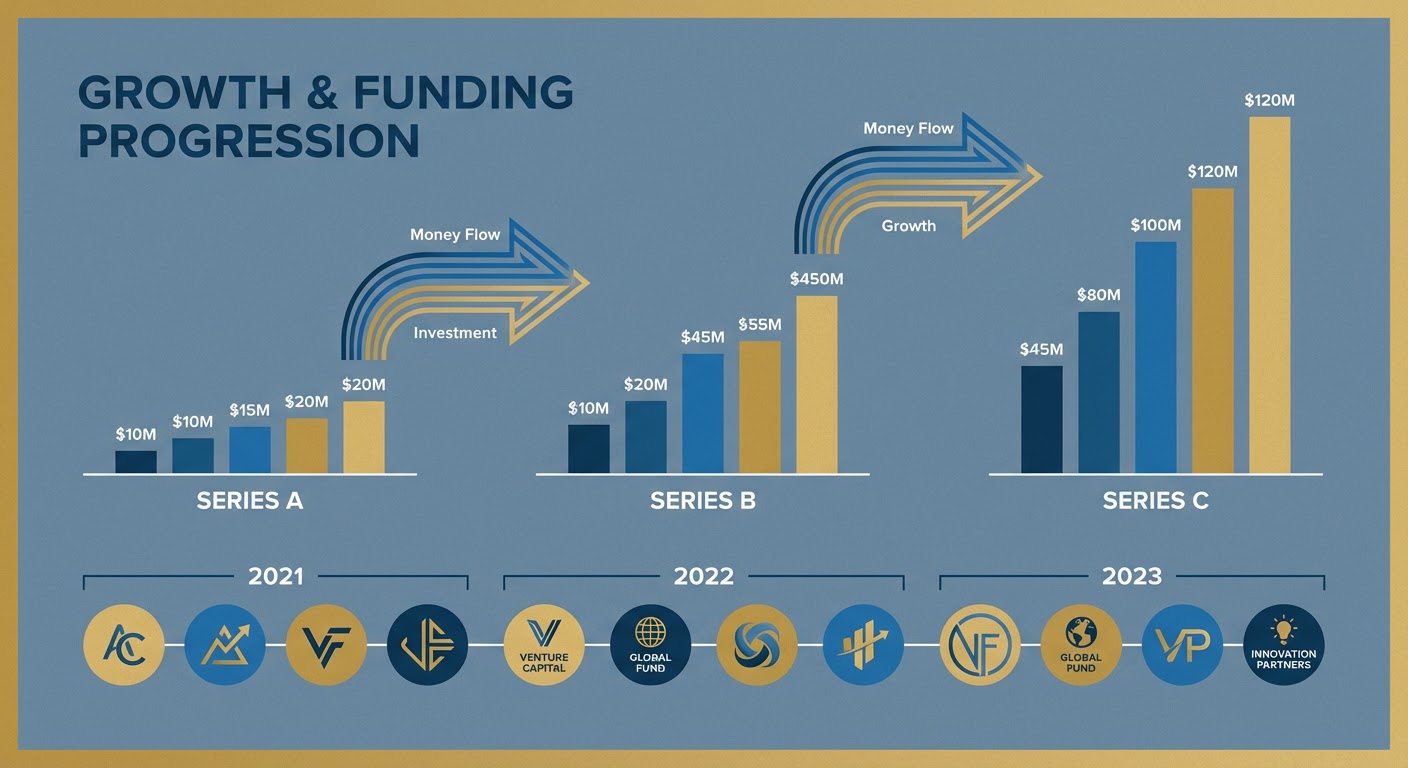
A competitor of ours raised a $40M Series B and I found out from a TechCrunch push notification while brushing my teeth. Which is fine for personal awareness, but terrible for competitive strategy. By the time I got to the office, our sales team had already received three emails from prospects asking "did you see that Competitor B just raised $40M? Are they going to crush you?"
We weren't prepared with a response. That's when I realized funding intelligence needs to be proactive, not reactive. You should know before the announcement hits TechCrunch. Or at minimum, you should have a playbook ready for when it does.
Where to Find Funding Data
Crunchbase is the default. Their free tier shows basic funding history for most venture-backed companies — round type, amount, date, investors. The paid tier adds more detail and lets you set up alerts. For tracking five or fewer competitors, the free tier works fine. You're just checking it manually once a week.
PitchBook has deeper data but costs serious money. If your company already has a PitchBook subscription, use it. If not, Crunchbase covers 90% of what you need for competitive intelligence purposes.
SEC filings catch what Crunchbase sometimes misses. Companies that have filed public documents (usually after a certain size) have their financials available through EDGAR. A SEC financial research agent can dig through these filings and pull out the numbers that matter — revenue figures, growth rates, customer counts that companies disclose in their filing documents.
LinkedIn is an underrated funding signal. When a competitor's founder starts posting more frequently, especially celebration-type content and "grateful for our investors" posts, a funding announcement is usually imminent. I've predicted three competitor funding rounds within a week by watching LinkedIn activity patterns. The posting behavior changes before the press release drops.
What Funding Rounds Actually Tell You
The amount tells you their runway. A $10M Series A gives a 30-person startup roughly 18-24 months of runway at typical burn rates. That means they're going to be aggressive about growth for the next year and then either hit their metrics or scramble for a bridge round. Plan accordingly.
The investors tell you about strategic direction. A competitor funded by a healthcare-focused VC is building for healthcare. One funded by an AI-focused firm is going deep on AI features. One that took money from a strategic investor (like Salesforce Ventures or HubSpot Ventures) is building toward that ecosystem. The investor profile is basically a strategy endorsement.
The round type tells you about maturity. Seed round competitors are experiments — maybe they become threats, maybe they don't. Series A means the product-market fit hypothesis was credible enough to get real money behind it. Series B and beyond means they're scaling what works. Each stage requires a different competitive response from you.
A Crunchbase funding tracker automates the monitoring part so you're not manually checking Crunchbase every week. Set it up to watch your competitor list and it pings you when new funding data appears.
The Hiring Surge Signal
Here's the pattern I watch for: funding announcement followed by a hiring surge within 30 days. The job postings after a funding round tell you exactly where the money is going.
If a competitor raises $20M and immediately posts 15 engineering roles, they're building product. If the new roles are all sales and marketing, they're scaling distribution for an existing product. If the roles are weighted toward a specific function you haven't seen them hire for before (like data science or security engineering), that's a new strategic bet.
Glassdoor competitive hiring intel tracks these hiring patterns. Combined with the funding data, you get a picture not just of how much money competitors have but where they're spending it.
Your Response Playbook
The real point of tracking funding isn't academic curiosity. You need to have a response ready when your sales team gets the "they just raised $40M" question from prospects.
The response framework I use is simple. "Yes, we saw the news. Here's what it means for the market." Then pivot to why your approach doesn't require $40M in VC funding to deliver value — maybe you're already profitable, maybe you're more focused, maybe you've been building this for longer. The worst response is surprise. The second worst response is dismissal. The best response is confidence backed by context.
After a competitor raises a big round, I update our competitive battlecard within 24 hours. New talking points, adjusted positioning, predicted moves based on their investor profile and hiring patterns. Our sales team gets a Slack message with the update before their next prospect call.
A Crunchbase competitor tracker keeps your competitive profiles current with funding data, key people changes, and company updates. It's the difference between checking Crunchbase when you remember and having the data come to you.
Try These Agents
- Crunchbase Funding Tracker — Automated funding round monitoring
- Crunchbase Competitor Tracker — Competitor profile and funding updates
- SEC Financial Research — Public filing analysis for revenue and growth data
- Glassdoor Competitive Hiring Intel — Post-funding hiring pattern tracking