
How to Track Competitor Product Launches
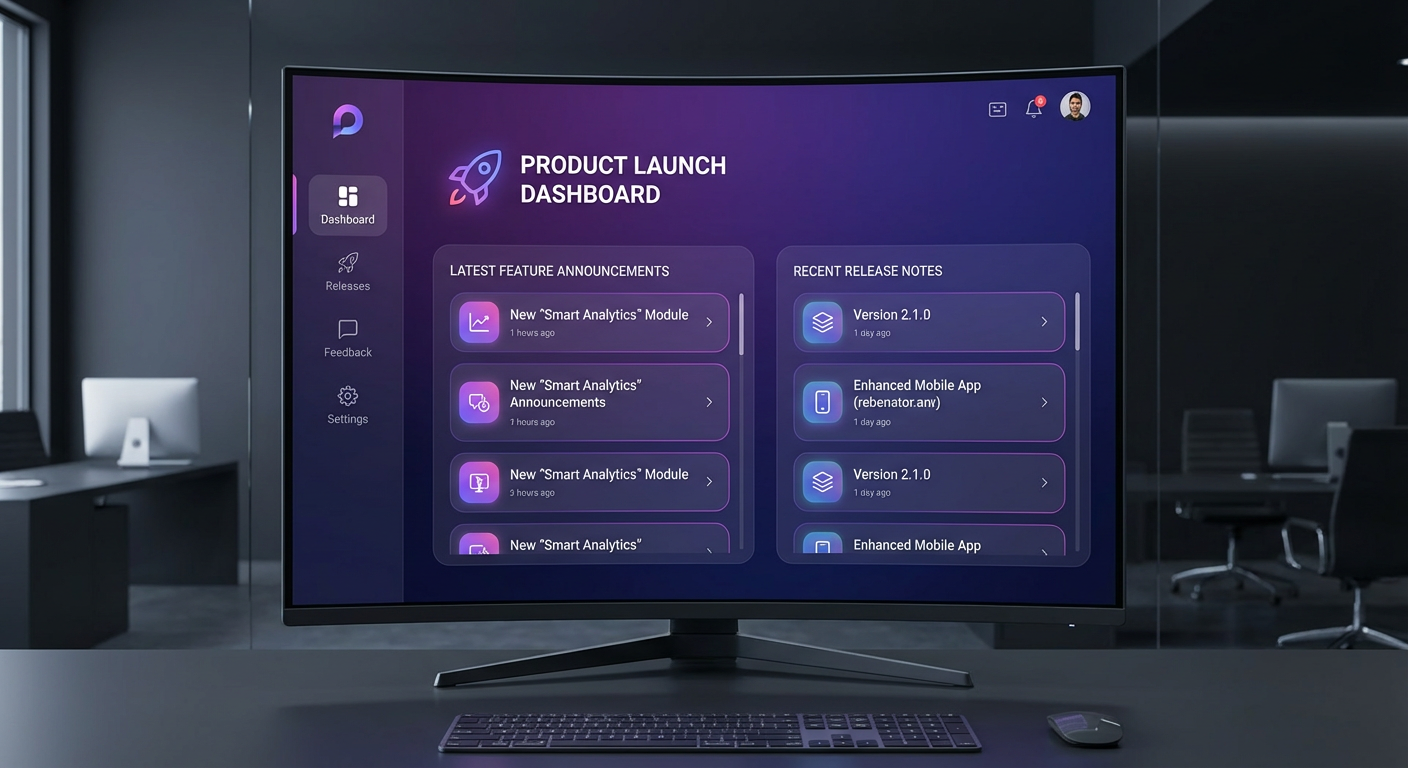
I was in a customer demo last March when the prospect pulled up a competitor's blog post on their second monitor and shared their screen. "They just shipped this yesterday," she said. "Do you have anything like it?" I didn't even know the feature existed. Neither did anyone on my team. We lost the deal two weeks later, and the worst part wasn't losing — it was the eleven-person Slack thread where everyone asked how we missed it.
That's what competitor product launches do when you're not watching. They don't announce themselves politely. They show up in your pipeline as objections you weren't prepared for.
Start with Changelogs
Most SaaS companies publish some version of a changelog, and most competitor tracking setups completely ignore them. Product blogs, release notes pages, "What's New" sections — these are where launches actually get documented, often before they make it to the marketing site.
Here's what to monitor:
- Changelog pages. URLs like
competitor.com/changelogorcompetitor.com/product-updates. Bookmark these. Better yet, subscribe to them. - RSS feeds. A lot of changelog tools (Beamer, Canny, LaunchNotes) output RSS feeds automatically. Drop them into Feedly or any reader. I have about twelve competitor RSS feeds running and I check them with my morning coffee. Takes four minutes.
- Company blogs. Not every company separates product updates from their marketing blog. Some bury launch announcements between thought leadership posts and case studies. You have to actually subscribe to the blog, unfortunately.
- GitHub repos. If any competitors have open-source components, their release notes on GitHub are absurdly detailed. Engineers writing release notes don't know how to be vague. They'll tell you exactly what changed and why.
The trick with changelogs is frequency. Big launches get their own blog post and a LinkedIn announcement from the CEO. Small launches — the kind that slowly erode your differentiation over six months — only show up in the changelog. A competitor adding "CSV export" isn't going to make TechCrunch, but it might be the thing your customer was waiting for before switching.
Set up a visual diff tool like Visualping on their main product pages too. When the navigation changes to add a new menu item, or the homepage hero copy suddenly mentions a capability it didn't before, something shipped.
Beyond the Changelog
Changelogs catch what competitors want you to know about. These other channels catch the rest.
ProductHunt and Hacker News. Companies launching new products or major features almost always hit one of these. Set up Google Alerts for your competitor names on both sites. I use a simple site:producthunt.com "competitor name" alert that emails me whenever they post. The HN comments section is often more useful than the launch post itself because it includes unfiltered reactions and comparisons to you.
App Store and Chrome Web Store update histories. If your competitors have mobile apps or browser extensions, the update notes are public. iOS App Store shows the last few updates right on the listing page. Chrome Web Store shows version history. I once caught a competitor launching an entirely new product vertical because their Chrome extension update notes mentioned "new dashboard for [thing they didn't do before]." That was a month before any public announcement.
Press release wires. PR Newswire and Business Wire still carry a huge volume of B2B launch announcements. Set up keyword alerts. These tend to lag behind the actual launch by a few days, but they often contain details — customer quotes, integrations, pricing — that the blog post leaves out.
Social media. Specifically, watch founder and product leader accounts on Twitter/X and LinkedIn. Product people can't help themselves. They'll tease features weeks before launch. A founder posting "excited about what we're shipping next week" is a signal worth noting, even without specifics. And when the launch does happen, the social posts often include details or positioning angles that aren't on the website.
Building a Competitor Product Intelligence System
Knowing where to look is table stakes. The actual value is in what you do with the information once you have it. Here's the system I use now, after two years of getting it wrong in various ways.
What to track per competitor:
- Feature launches (date, description, which tier/plan it's available on)
- Positioning changes (how they describe the feature vs. how it actually works)
- Launch velocity (are they shipping faster or slower than six months ago?)
- Feature overlap with your product (new, partial, or full overlap)
- Customer reactions (check replies on their social posts, G2 reviews mentioning the new feature, Reddit threads)
How often to check:
Changelogs and RSS feeds: daily, batch it into your morning routine. Social accounts: two to three times a week. App stores and press wires: weekly. Deep-dive analysis of what everything means: monthly.
How to interpret feature patterns:
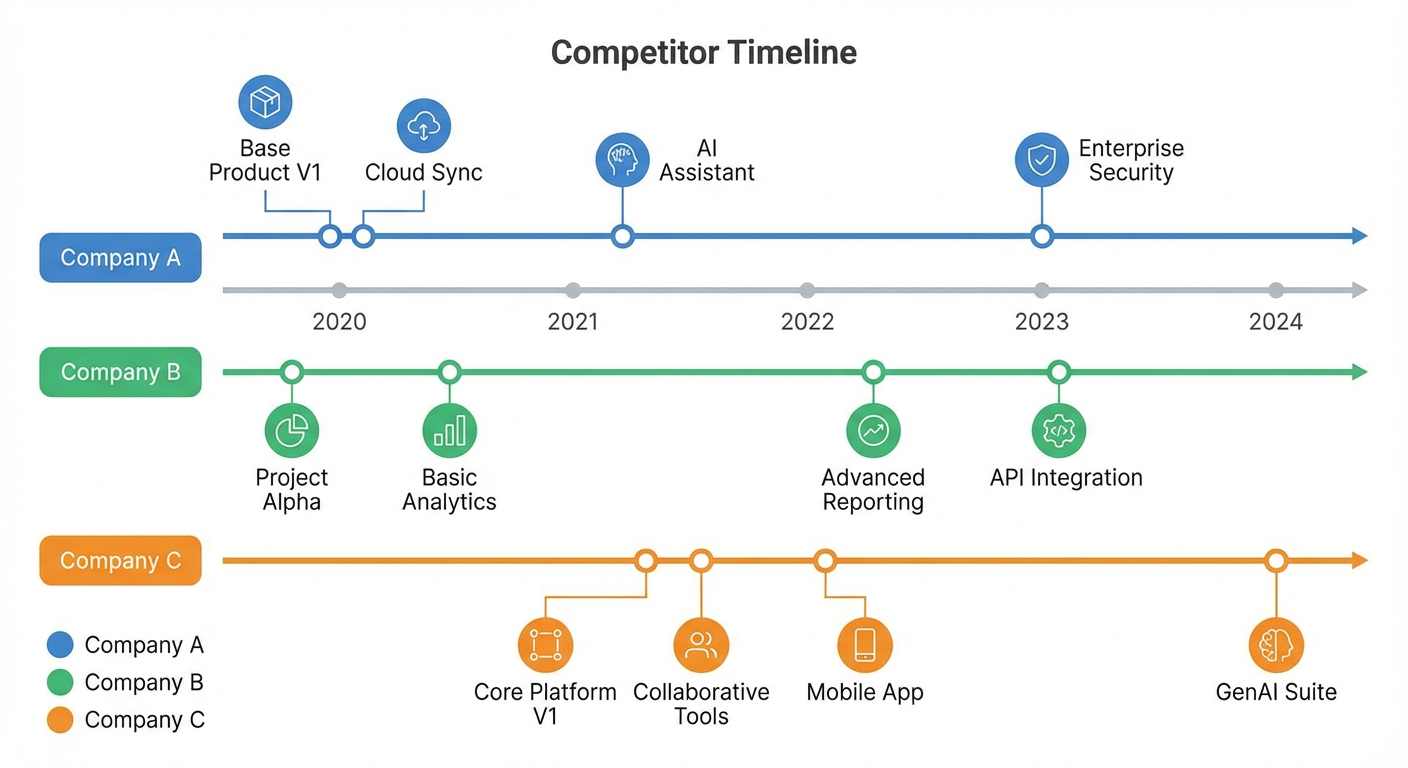
This is where it gets interesting. Individual launches are data points. The sequence of launches over three to six months is strategy.
A competitor shipping three integrations in a row is building an ecosystem play. They're betting that lock-in comes from being connected to everything, not from having the best standalone product. If you see that pattern, think about your own integration story.
A competitor shipping a free tier or self-serve signup for the first time is going product-led. That's a major strategic shift that takes months to show results but changes the competitive dynamics permanently.
A competitor shipping AI features into every corner of their product is doing exactly what you'd expect — but track which AI features get promoted and which quietly disappear. The ones that stick tell you what their customers actually want. The ones that vanish tell you what looked good in a demo but didn't hold up.
A competitor going quiet for three months then shipping something big probably reorganized their engineering team. Long gaps followed by large releases usually mean they moved from continuous deployment to batched releases, which often signals a shift toward enterprise where customers want stability over speed.
Why Use an Agent
I maintained my manual competitor product tracking system for about eight months before the gaps started showing up. Missed a week, then two, then the Google Alerts piled up unread, and suddenly I was three product launches behind on a competitor who'd been shipping weekly.
The data collection part of this work is mind-numbing. Checking twelve RSS feeds, scanning five social accounts, pulling up app store pages, skimming press wires — none of it requires thinking. It requires showing up, which is exactly the thing that humans are bad at doing consistently.
A market intelligence agent handles the collection and initial synthesis. It watches the sources, flags what's new, and gives you a structured summary of what each competitor shipped and how they're positioning it. Your job becomes the interpretation: what does this mean for our roadmap, our positioning, our sales conversations? That's the part that actually requires a human brain. The rest is just paying attention at scale, and agents are better at paying attention than we are.
The teams I see doing competitor product tracking well aren't the ones with the fanciest competitor tracking software or the biggest research budgets. They're the ones who actually check every week. An agent makes "every week" the default instead of the aspiration.
Try These Agents
- Market Intelligence Agent — Full-spectrum competitor research covering product launches, hiring, reviews, keywords, and news
- SEO Competitor Analyzer — Find what keywords competitors rank for and where the content gaps live
- Competitor Keyword Research — Discover competitor keyword strategies and identify opportunities they're missing