
The Cold Outreach Automation Playbook: From Zero to Pipeline in 3 Weeks
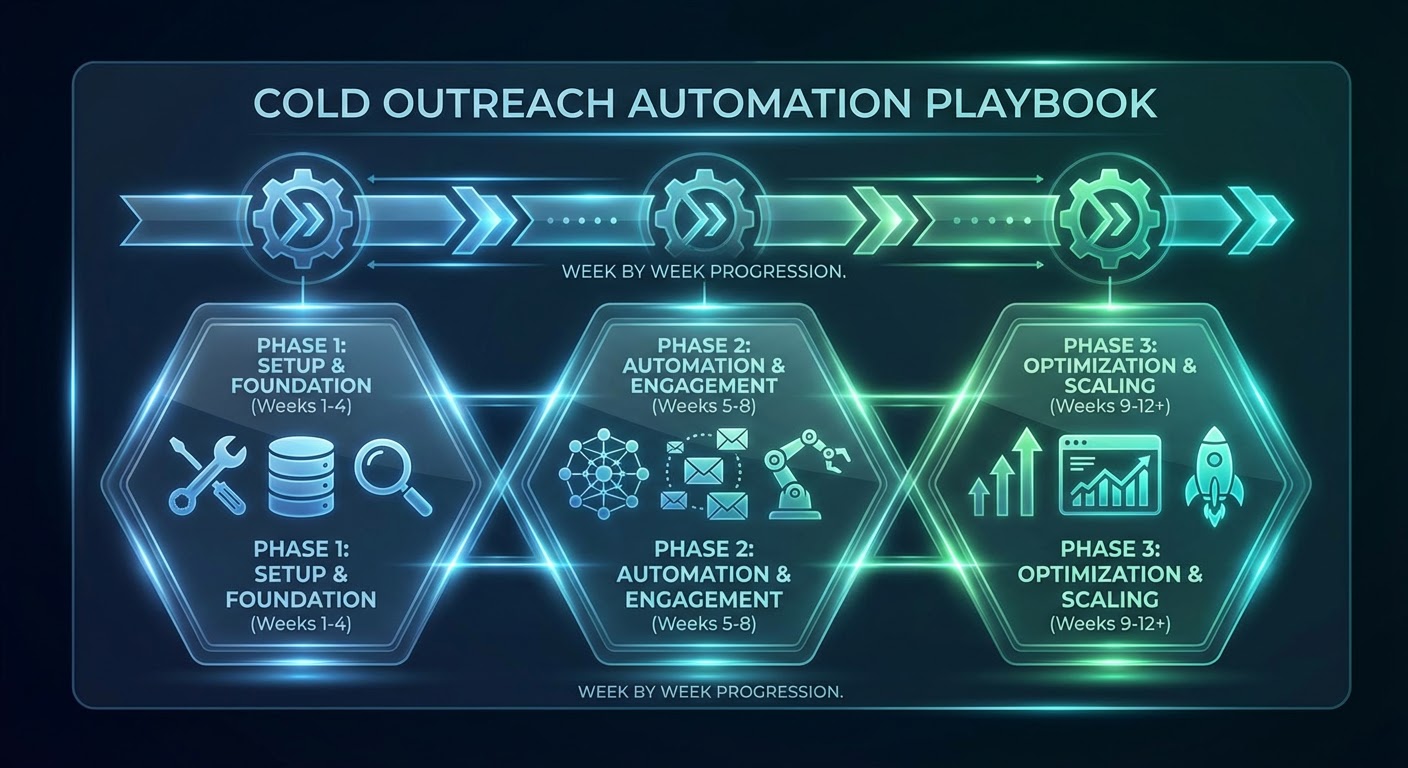
In January I helped a friend spin up outbound at his startup. He had a product, a few early customers, zero pipeline, and an Apollo seat he'd been paying for since October without logging in. Three weeks later he had his first outbound-sourced meeting booked. Five weeks after that, he closed a $28K deal from a cold email. The playbook we followed was shockingly boring. No clever growth hacks. No secret subject lines. Just a checklist, executed in order, with specific numbers to hit at each stage.
That's what this article is. A cold outreach automation playbook you can follow week by week. Not theory. A calendar with tasks, benchmarks, and the exact moment you should worry if something is off.
Week 1: Infrastructure and Targeting
You are not sending a single email this week. I know that's annoying. But the teams I've watched skip Week 1 always end up rebuilding everything in Week 4, after they've torched a domain or burned through their best accounts with sloppy emails.
Days 1-2: Domain and inbox setup. Buy two secondary domains close to your main one. Set up three Google Workspace accounts per domain. Six sending inboxes, two domains, about $40/month. Turn on warming immediately -- Instantly and Smartlead both have built-in warming networks. You need 14 days minimum before sending anything real. I have watched people skip warming exactly once and regret it for exactly three months while their domain reputation recovered.
Days 3-4: Define your ICP with numbers, not vibes. Write down three things: the job titles you're targeting, company size range, and one trigger event that makes your product relevant right now. That trigger matters more than the other two combined. "Series B SaaS companies" is a filter. "Series B SaaS companies that just posted three SDR job openings" is a signal. Filters tell you a company exists. Signals tell you the timing is right.
Days 5-7: Build your first list. Pull 100 contacts. Not 500. One hundred. Treat this first batch like a science experiment. Use Apollo Lead Research to go deeper than the default export -- actual context on each company, what they're working on, why they'd care.
Week 1 benchmarks: 6 inboxes warming across 2 domains. ICP documented with at least one trigger signal. 100 contacts researched and loaded.
Week 2: First Campaign Live
Your domains have been warming for at least ten days. (Fourteen is better. If you can be patient, wait.)
Days 8-10: Write your sequence. Four emails total:
- Email 1: One observation about their company tied to the trigger event + one sentence about what you do + a question. Under 75 words.
- Email 2 (Day 4): A specific result for a similar company. Under 60 words.
- Email 3 (Day 8): Different angle entirely. Different pain point, a question about their problem, anything that isn't a reworded version of Email 1.
- Email 4 (Day 13): Breakup. Under 40 words.
A/B test subject lines on Email 1. Two variants, 50 contacts each. Don't test five things at once.
Days 10-12: Load and launch. The Instantly + Apollo Cold Outreach agent pulls prospect data from Apollo and loads it directly into Instantly with the research context intact. What used to take me 90 minutes takes about ten. Set daily send volume to 30 per inbox. Six inboxes gives you 180 sends per day max.
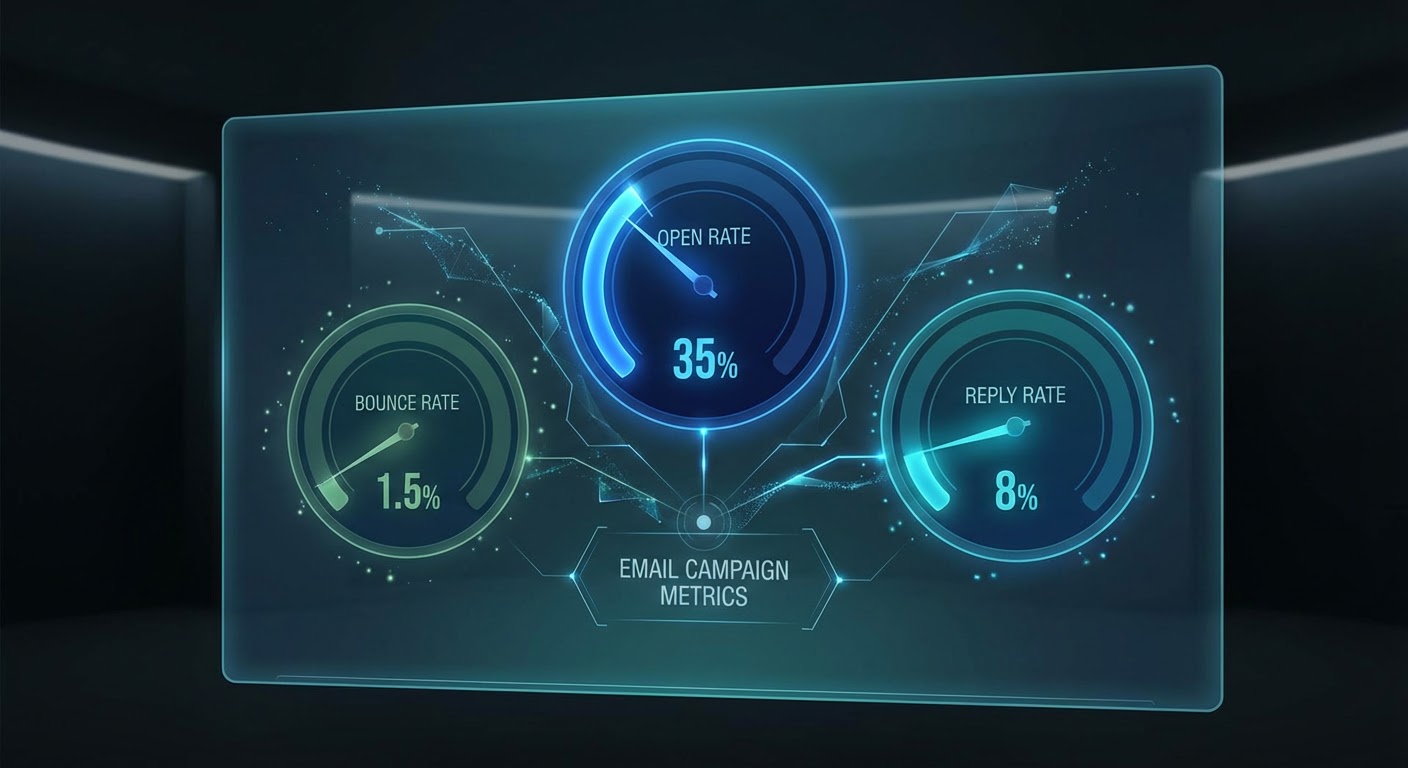
Days 12-14: Monitor daily. Check these numbers every day:
- Bounce rate: Below 3%. Above 5% means stop the campaign and re-verify your list.
- Open rate: 45%+ on warmed domains. Below 35% means bad subject lines or spam folder.
- Reply rate: By Day 7, you want 3-5% across your first 100 sends.
Week 2 benchmarks: Campaign live with 100 contacts. Bounce under 3%. Opens above 45%. First replies coming in by Day 14.
Week 3: Read the Data, Adjust, Scale
You've got real numbers now. Small dataset, but real.
Days 15-17: Diagnose what's working. Look at reply rate by email number. If Email 3 is outperforming Email 1, that angle might be your real opener for Campaign 2. Check positive vs. negative reply ratio too -- a 5% reply rate where four out of five are "not interested" is worse than 3% where two out of three are genuine conversations. Optimize for meetings, not inbox activity.
Days 17-19: Build Campaign 2. Second list: 150-200 contacts. Same ICP, same triggers, but sharpen based on your data. If you're running Smartlead, the Smartlead + Apollo Campaign Builder handles the same workflow with inbox rotation and warming baked in.
Days 19-21: Set your weekly rhythm. By the end of Week 3 you should have a repeatable Tuesday routine: pull new contacts, run enrichment, load the campaign, review last week's numbers. Outbound dies when it's something you do "when you have time." It works when it's a standing appointment.
Week 3 benchmarks: Campaign 1 analyzed. Campaign 2 live with 150-200 contacts. Weekly routine locked in.
Why Use an Agent
The playbook has maybe twenty steps. None are hard individually. The hard part is the connective tissue -- moving data from Apollo into your sending tool, checking contacts against your CRM so you don't email existing customers, pulling research on each prospect so your emails aren't generic.
An agent handles the plumbing. It grabs prospect data, checks for duplicates, assembles the research brief, and loads everything into your campaign. You still pick who to target and what angle to lead with. The judgment stays with you. The data entry doesn't.
Before agents, I'd spend two hours every Tuesday morning prepping campaigns. Now it's twenty minutes of review. Same quality. I just got the time back.
The Short Version
Week 1: buy domains, warm inboxes, define your ICP with a trigger signal, build 100 researched contacts. Week 2: write four emails, launch, monitor bounce and open rates daily. Week 3: diagnose what's working, launch Campaign 2 with 150-200 contacts, set a weekly rhythm.
Your benchmarks: bounce rate under 3%, open rate above 45%, reply rate above 3% by end of Week 2. Below those numbers? The playbook tells you where to look. Above them? Scale volume and keep the cadence.
Automated cold outreach isn't about sending more emails. It's about building a machine that sends the right ones, to the right people, on a schedule you actually stick to.
Try These Agents
- Instantly + Apollo Cold Outreach -- Build and launch cold email campaigns with Apollo prospect data piped directly into Instantly
- Smartlead + Apollo Campaign Builder -- Set up Smartlead campaigns with Apollo contact data, automated warmup, and inbox rotation
- Apollo Lead Research -- Deep-dive research on any lead using Apollo data enrichment