
How to See Competitors' Twitter (X) Ads
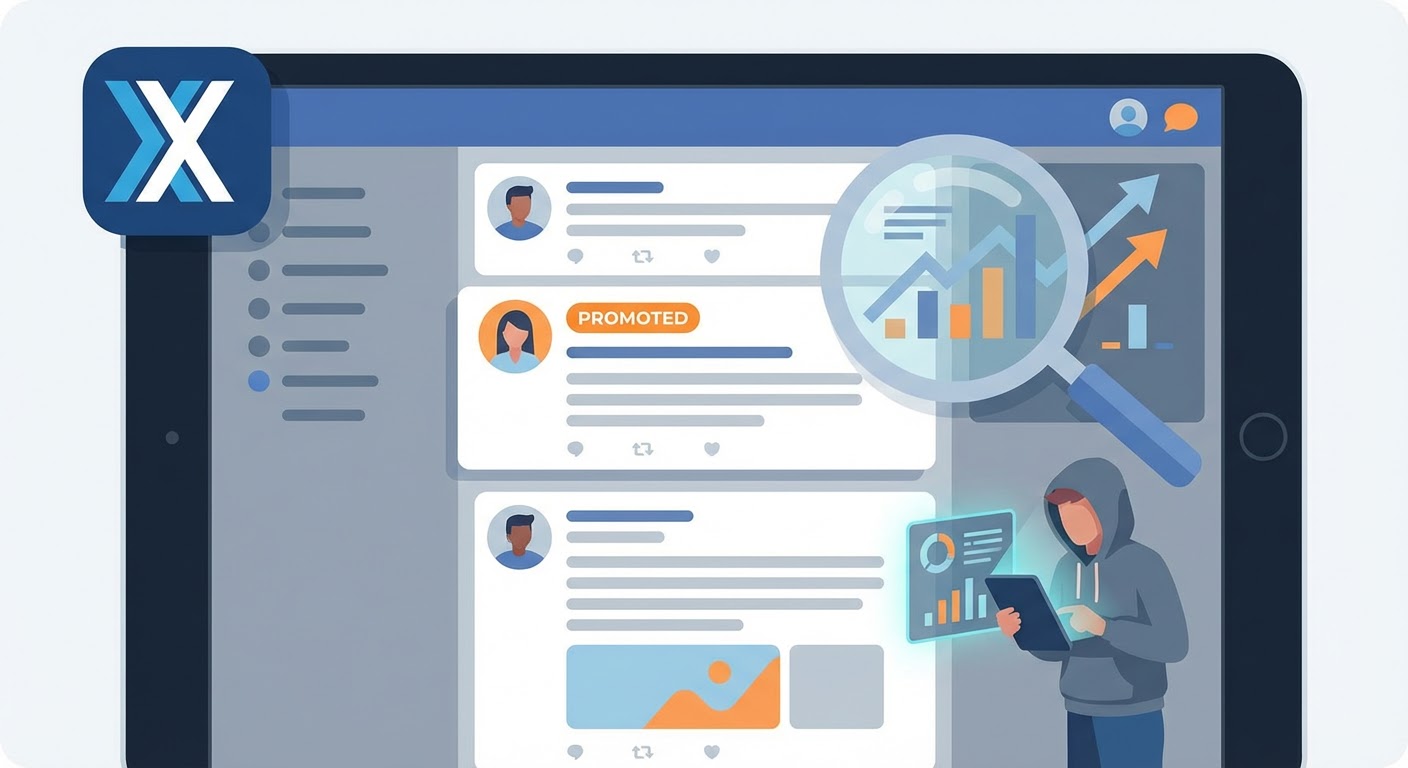
Twitter — fine, X — has an Ads Transparency Center that most people don't know about. It launched quietly and never got the attention that Meta's Ad Library gets. Same concept as Meta's library: type in an advertiser, see what they're running.
Head to ads.twitter.com/transparency (or Google it, that's what I did the first time). Punch in your competitor's handle. If they're running promoted tweets, you'll see them — creative, copy, engagement stats, all of it. The interface is clunky and the search doesn't always work perfectly, but when it does, you get a complete view of their Twitter ad strategy.
Here's what I found interesting when I started looking at competitors' Twitter ads: most B2B companies running Twitter ads use wildly different messaging than their LinkedIn ads. The LinkedIn version is polished and professional. The Twitter version is shorter, punchier, sometimes almost casual. That gap tells you something about how they perceive each audience.
What to Look For
The promoted tweets themselves reveal messaging priorities. If a competitor is promoting product announcements, they're using Twitter for awareness. If they're promoting gated content (ebooks, webinars), they're using it for lead gen. If they're promoting customer testimonials, they're using it for social proof. The mix tells you their Twitter marketing strategy without them ever publishing a strategy doc.
Look at how long each promoted tweet has been running. Twitter's transparency tool shows start dates. A promoted tweet running for three weeks that's gotten strong engagement is clearly working. One that ran for two days is a test or a failure.
The Twitter competitor content analyzer goes beyond just ads. It examines the competitor's entire Twitter presence — organic and paid — and identifies themes, engagement patterns, and content strategies. The combination of paid and organic content tells you what they're willing to spend money on versus what they'll post for free.
The Organic Intel Is Often Better
Here's my honest take: for most B2B companies, a competitor's organic Twitter presence reveals more than their ads. What does the CEO tweet about? What do their engineers share? What customer wins do they celebrate publicly?
A competitor's head of product tweeting about a feature they just shipped tells you about their roadmap. Their marketing team retweeting customer praise tells you which use cases they're proudest of. Their SDRs posting about events they're attending tells you where to show up (or avoid).
The Twitter brand sentiment tracker monitors the overall vibe around a competitor on Twitter. Are people talking about them positively or negatively? Are there complaints gaining traction? Is there a viral moment you should be aware of?
For B2B competitive intelligence, I'd rank Twitter sources this way: competitor employee posts > organic company posts > customer mentions > promoted tweets. The ads are useful but they're the least authentic view of what a company actually thinks and does. The unfiltered employee tweets are gold.
When Twitter Ad Intelligence Matters Most
Twitter ad monitoring becomes high-priority in three situations. Product launches are the big one — a competitor dropping a new feature will promote it on Twitter first, and their ad copy shows you the exact messaging and audience they're targeting. Conference weeks matter too, since companies buy promoted tweets around event hashtags. And during PR fires, competitor promoted tweets show you how they're trying to control the narrative (which is always fascinating to watch in real time).
Outside those situations? Check quarterly. Twitter ad strategies for most B2B companies change slowly and most of the competitive intelligence value comes from organic monitoring, not ad analysis.
Try These Agents
- Twitter Competitor Content Analyzer — Full Twitter strategy analysis
- Twitter Brand Sentiment Tracker — Sentiment monitoring for competitors
- PPC Competitor Analysis — Cross-platform ad strategy context
- Social Listening Alerts — Competitive social conversation monitoring